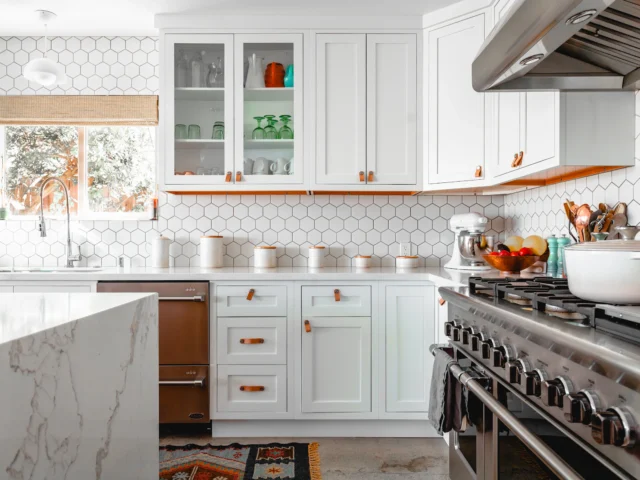
At check-out, letting agents or independent inventory clerks compare the property with the check-in inventory, room by room. They check cleanliness, especially ovens, bathrooms, kitchen cupboards and floors, along with damage, missing items, keys and meter readings, and note anything beyond fair wear and tear.
Knowing how the inspection works lets you prepare for it properly. Here’s what letting agents in Hull and East Yorkshire typically look at, and how to make sure your property passes first time.
Key takeaways
- The check-out report is compared directly with the check-in inventory.
- Inspectors look closely at ovens, limescale, inside cupboards and appliances, skirting boards and carpets.
- They also record damage, missing items, belongings left behind, keys and meter readings.
- Being at the check-out with your own dated photos makes any disagreement easier to resolve.
How a check-out inspection works
Most letting agents either carry out the check-out themselves or send an independent inventory clerk. The process is much the same either way:
- The inspector brings the check-in inventory, which describes the condition and cleanliness of each room, usually with photos.
- They walk through room by room, normally in the same order as the inventory, noting any differences.
- They photograph anything that’s dirtier, damaged or missing compared with the start of the tenancy.
- They record meter readings, count keys and note any belongings left behind.
- The check-out report goes to the landlord, who decides whether to propose any deductions.
The inspector isn’t judging whether the property looks nice. They’re asking one question: is it in the same condition as at check-in, allowing for fair wear and tear? An inventory that says “professionally cleaned throughout” sets a higher bar than one that says “generally clean”. Our end of tenancy cleaning works from the same inventory-led approach, so we clean to the standard the inspector will be checking against.
What letting agents check in the kitchen
The kitchen usually gets the closest look, because grease and food residue are easy to see and photograph.
- Oven: the inside walls, roof and floor, the door glass, racks, trays and grill pan
- Hob and extractor: burnt-on spills, grease on the canopy and clogged filters
- Fridge and freezer: food left behind, mould on the seals, ice build-up and smells
- Cupboards and drawers: crumbs, sticky shelves, and grease on doors and handles
- Worktops, sink and taps: stains, limescale and discoloured sealant
- Appliances: the washing machine drawer and seal, dishwasher filter and microwave
- Floor: the edges, behind the cooker and along the kickboards
For the full list of jobs, see our kitchen deep clean checklist. A badly carbonised oven is a frequent check-out note, and a specialist oven clean is often quicker than tackling it yourself.
What inspectors look for in bathrooms
- Limescale on taps, shower heads, screens, tiles and inside the toilet bowl
- Soap scum on the bath, shower tray and glass
- Black mould on grout and silicone sealant
- Hair in plugholes and around the base of the toilet
- Dust on the extractor fan, light fittings and the tops of cabinets
- Smears on the mirror and marks inside the bathroom cabinet
Hard water is common across Hull and East Yorkshire, so limescale builds faster than many tenants expect. Our bathroom deep clean guide covers grout, glass and scale removal in detail.
Bedrooms, living rooms and hallways
In the rest of the property, inspectors focus on the details a quick tidy misses:
- Dust on skirting boards, door frames, picture rails, radiators and light fittings
- Fingerprints and marks around light switches, door handles and sockets
- Inside wardrobes, drawers and any furniture provided by the landlord
- Windows, sills and tracks, plus blinds and curtains
- Carpets: stains, dirt along the edges, pet hair and furniture dents
- Walls: scuffs, Blu Tack marks, nail holes and any unauthorised decorating
- Stairs, banisters and the understairs cupboard
Tip: Inspectors often run a finger along the tops of door frames and skirting boards. Do the same before your appointment, and wipe anything that comes back dusty.
Beyond cleaning: damage, belongings, keys and meters
A check-out isn’t only about cleanliness. Expect the inspector to record:
- Damage: burns on worktops, broken blinds, holes in walls, chipped baths or damaged doors
- Missing items: anything listed on the inventory that’s no longer there, from furniture to lightbulbs
- Belongings and rubbish: items left in the loft, shed, yard or bins
- Gardens: lawns, borders and paths compared with the inventory description
- Keys: every set, including window keys, fobs and shed keys
- Meter readings: gas, electricity and water where it’s metered
Replace any bulbs that have blown during your tenancy, and check the inventory for items you might have moved to the loft or shed and forgotten.
How to pass your check-out inspection first time
The table below shows the issues inspectors commonly note and how to deal with them before the appointment.
| Area | What gets noted | How to fix it |
|---|---|---|
| Oven | Grease and carbon on the interior, door glass and racks | Soak the racks, degrease the inside and clean the door glass |
| Bathroom | Limescale, soap scum and mould on sealant | Use a limescale remover, scrub the grout and treat mould spots |
| Kitchen cupboards | Crumbs, sticky shelves and greasy doors | Empty them and wipe inside and out, including tops and handles |
| Skirting boards and doors | Dust and fingerprints | Wipe every board, frame and handle with a damp cloth |
| Carpets | Stains and dirt along the edges | Hoover with a crevice tool and treat stains, or book a professional carpet clean |
| Fridge freezer | Food left behind, smells and mould on the seals | Defrost, wash the shelves and leave the door ajar if it’s switched off |
Then:
- Clean once the property is completely empty, working from our end of tenancy cleaning checklist.
- Walk round with the check-in inventory and tick off each room.
- Take your own dated photos and video.
- Attend the inspection if you can, so you can point out existing issues and discuss what counts as fair wear and tear.
What happens after the check-out report?
The landlord or agent compares the two reports and, if there’s a problem, proposes deductions from your deposit. Each deduction should be explained, and costs must be reasonable and supported by evidence. Our guide on how to get your full deposit back covers negotiating with your landlord, and if you still can’t agree, the deposit scheme’s free dispute service will decide.
Landlords who want fewer disagreements at check-out should start with a detailed inventory. Our guide to recording cleanliness in a check-in inventory explains how.
Getting the property ready for inspection
Our cleaners work from the same checklists that letting agents and inventory clerks use, so nothing on the report catches you out. We clean for tenants, landlords and agents across Hull and Beverley, can invoice landlords and agents directly, and offer a re-clean guarantee if something isn’t right.
See what’s included in our end of tenancy cleaning service, or contact us to arrange a fixed quote before your check-out date.