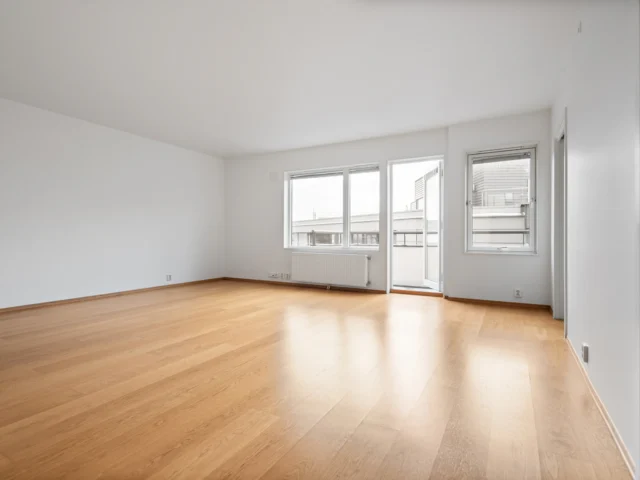
To record cleanliness at check-in, describe the condition of every room and item in the inventory using consistent terms, back each description with clear, date-stamped photos, and have the tenant review and acknowledge the report at the start of the tenancy. That record becomes the benchmark the property is judged against at check-out.
Tenants only have to return a property in the same condition as at the start, allowing for fair wear and tear. If the inventory just says “clean” throughout, or says nothing about cleanliness at all, you will struggle to show anything has changed.
We clean rental properties for landlords and letting agents across Hull and East Yorkshire, and the clearest inventories make everyone’s job easier when the tenancy ends. Here is how to write one.
Key takeaways
- The check-in inventory is the standard for check-out, so record cleanliness item by item, not just room by room.
- Use a consistent, defined scale, such as professionally cleaned, clean, generally clean and needs cleaning.
- Photos and video should be date-stamped, well lit and show detail inside ovens, fridges and cupboards.
- Give the tenant time to comment, and keep their written acknowledgement with the report.
Why recording cleanliness at check-in matters
In England, deposits for assured shorthold tenancies must be protected in a government-approved scheme within 30 days, and each scheme offers free dispute resolution if you can’t agree deductions. The government page on tenancy deposit protection sets out the rules.
If cleaning becomes a dispute, the adjudicator compares the check-in and check-out records. Any deduction has to be reasonable and backed by evidence, and the landlord has to show the property was returned in a worse condition than it was let in. Our guide to getting a deposit back explains the process from the tenant’s side.
The best starting point is a property cleaned to a known standard just before the inventory is taken. Many landlords book an end of tenancy clean between tenants for exactly this reason, and keep the invoice with the inventory.
Cleanliness terms to use in your inventory
Pick a scale, define it at the front of the report, and use it consistently. Vague or mixed wording is one of the main reasons inventories carry little weight. A simple scale might look like this:
| Term | What it should mean |
|---|---|
| Professionally cleaned | Cleaned throughout by a professional cleaning company, with an invoice to prove it. No dust, grease, limescale or marks. |
| Clean | Thoroughly cleaned to a high domestic standard. Free of dust and grime, with nothing needing attention. |
| Generally clean | Clean overall, with some specific areas needing attention, which are noted. |
| Needs cleaning | Visible dust, grease, stains or limescale, with the location described. |
Only use “professionally cleaned” if it is true and you can show the invoice. In England, the Tenant Fees Act 2019 means you can’t charge a tenant for professional cleaning or make it a condition of the tenancy, but you can expect the property back in the same condition. Our article on professional cleaning clauses explains what that means in practice.
What to record room by room
Describe the cleanliness of individual items, not just the room as a whole. The areas that come up most at check-out deserve the most detail.
Kitchen
- Inside the oven, shelves, grill pan, hob and extractor hood and filter
- Inside the fridge and freezer, including seals and drawers
- Inside cupboards and drawers
- Sink, taps and drainer, noting any limescale
- Worktops, splashbacks, tiles and grout
- Washing machine door seal and detergent drawer
If the oven was cleaned by our professional oven cleaning team before the tenancy, say so and photograph the inside of the oven and the door glass.
Bathrooms
- Toilet bowl, seat, cistern and base
- Bath or shower tray, screen and tiles, noting any limescale
- Silicone sealant: colour, condition and any mould
- Extractor fan, mirrors and cabinets
Bedrooms and living areas
- Carpets: overall condition, any marks or stains with their location, and whether and when they were professionally cleaned
- Windows, sills and tracks
- Skirting boards, radiators and light fittings
- Insides of wardrobes and built-in storage
- Curtains and blinds
Carpets cleaned by hot water extraction before the tenancy should be recorded with the date of the clean, as it gives a clear baseline for any stains at the end.
Photos and video that stand up to scrutiny
- Take photos in good light, with lights on and blinds open.
- Photograph each room from the doorway, then close-ups of the items listed above.
- Open the oven, fridge and cupboards and photograph inside them.
- Keep the original files, which hold the date and time they were taken, and embed or link them in the report.
- Use the same angles at check-out so the comparison is easy to make.
- Add a slow walk-through video as backup, narrating anything worth noting.
Tip: Take the inventory the same day as, or the day after, the pre-tenancy clean. If the property sits empty for weeks first, dust settles and the “clean” description is no longer accurate.
Getting the tenant to agree the inventory
An inventory carries much more weight if the tenant has seen it and had the chance to comment. Give them a copy at or before move-in, set a reasonable period for them to add notes, and keep their signature or written acknowledgement with the report.
Many tenants do their own clean when they arrive, following something like our move-in cleaning checklist, and they may spot things you missed. If they report a dirty area, either fix it or amend the inventory. Arguing over it now only makes the check-out harder.
Using an independent inventory clerk isn’t a legal requirement, but a report from a third party is harder to challenge than one written by the landlord.
Using the inventory at check-out
At the end of the tenancy, the check-out report should follow the same structure and wording as the check-in, so each item can be compared directly. Our guide to what letting agents check at check-out shows what inspectors focus on.
Before deciding on any deduction, consider how long the tenancy lasted and what is fair wear and tear rather than dirt. Then plan the turnaround: our article on void property cleaning explains how to order the clean, repairs and the next inventory so the property is let again quickly.
Setting a clean benchmark before every tenancy
The simplest way to get a strong inventory is to start each tenancy with a property cleaned to a known, consistent standard. Our end of tenancy cleaning follows letting-agent and inventory checklists, and we invoice landlords and agents directly so you have the paperwork to go with the report. If anything isn’t right, we come back and re-clean it.
We work across the region, including end of tenancy cleaning in Cottingham and rentals in Beverley. Send us the property details and your check-in date through our contact page for a fixed quote.