HMO landlords and managers are legally responsible for keeping the common parts of a house in multiple occupation clean and in good repair, along with shared fixtures, fittings and appliances, and for providing proper bins and rubbish arrangements. Tenants are responsible for their own rooms and for using shared spaces reasonably, but when a shared hallway or kitchen gets dirty, the duty to sort out the common parts sits with the manager.
That makes HMO cleaning one of the trickier parts of running a shared house, especially where nobody feels the shared kitchen belongs to them. In Hull and East Yorkshire, HMOs range from student terraces around Newland Avenue and Cottingham Road to converted Victorian houses on the Avenues, and the cleaning challenges are much the same.
This guide explains what the rules say, who should clean what, and how to set up arrangements that keep the house in good order.
Key takeaways
- HMO management regulations require the manager to keep common parts clean, in good repair and clear of obstruction.
- Tenants clean their own rooms; the tenancy agreement and house rules should spell out who cleans shared kitchens and bathrooms.
- Regular professional cleaning of shared areas is the most reliable way to meet the duty and keep tenants settled.
- Licence conditions can add extra requirements, so check with Hull City Council or East Riding of Yorkshire Council.
What does the law say about HMO cleaning?
In England, the Management of Houses in Multiple Occupation (England) Regulations 2006 set out duties for anyone managing an HMO. Among them, the manager must keep the common parts in good and clean decorative repair, in a safe and working condition and reasonably clear of obstruction. Fixtures, fittings and appliances used in common, such as shared cookers and fridges, must be kept in good and safe repair and in clean working order.
The manager must also provide enough suitable bins for the households living there, and make whatever further arrangements are needed to get rubbish disposed of, taking into account the council’s collection service.
Large HMOs, with five or more people forming two or more households, need a mandatory licence from the council. Councils can also run additional licensing schemes covering smaller HMOs, and licence conditions can include standards for cleanliness, waste and pest control. Check what applies to your property with Hull City Council or East Riding of Yorkshire Council, and read the government guidance on HMO licensing.
Tenants have duties too. They must not hinder the manager, must take reasonable care to avoid damaging the property, and must store and dispose of rubbish in line with the arrangements the manager has made.
Who cleans what in an HMO?
The law sets the minimum. In practice, the clearest way to avoid arguments is to write the split into the tenancy agreement and house rules. This is how it usually works:
| Area | Usually responsible | Notes |
|---|---|---|
| Bedrooms and en-suites | Tenant | Returned in the condition recorded at check-in, allowing for fair wear and tear |
| Shared kitchen | Tenants clean up after themselves; manager keeps it clean overall | The most common source of complaints between housemates |
| Shared bathrooms | Tenants for daily tidiness; manager for regular cleaning | Watch for condensation and mould |
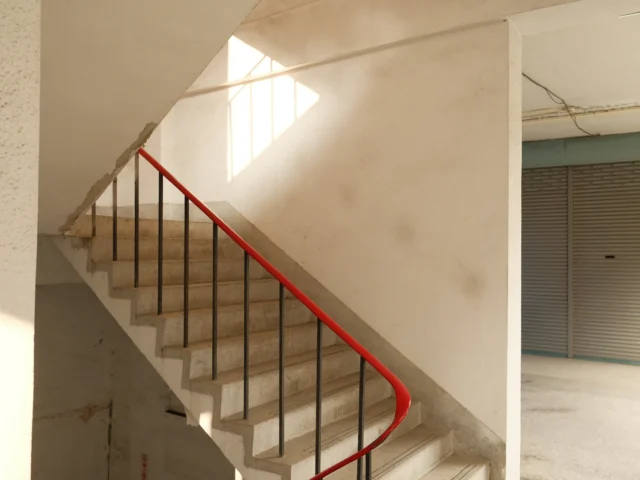
| Halls, stairs and landings | Manager | Covered directly by the HMO management regulations |
| Bins and bin store | Manager provides and arranges; tenants use them properly | A posted bin day rota helps |
| Garden and outside areas | As set out in the tenancy agreement | Keep paths and escape routes clear |
Many landlords simply include the shared kitchen and bathrooms in a weekly communal area cleaning visit. It removes the arguments about rotas altogether and gives you a record that the common parts are being looked after.
Shared kitchens and bathrooms: where HMO cleaning breaks down
Cleaning rotas look good on the fridge door and rarely survive the first month. Shared kitchens suffer most: pans left to soak, fridge shelves full of forgotten food, and a cooker nobody admits to using. A few simple measures help:
- Give each tenant a labelled fridge shelf and cupboard, so ownership is clear.
- Agree that the fridge is cleared at the end of every tenancy or term.
- Provide enough bins and recycling containers inside the kitchen, not just outside.
- Make sure extractor fans in kitchens and bathrooms work, as condensation builds fast with several people cooking and showering.
- Book a periodic deep clean of shared areas, covering the oven, behind appliances, grout and extractor filters.
Older terraces with several showers a day are prone to black mould on ceilings and window reveals. Our guide to condensation, damp and mould in older Hull homes explains how to tell a cleaning issue from a damp problem that needs repair.
Bins, waste and pests in shared houses
Overflowing bins are one of the quickest ways for an HMO to attract complaints from neighbours and attention from the council. With several households producing rubbish, a single wheelie bin is rarely enough.
- Provide bins and recycling containers sized for the number of households.
- Display bin day and the recycling rules in the kitchen.
- Agree who puts the bins out, or include it in the cleaner’s visit.
- Clear belongings and rubbish left behind at the end of tenancies straight away, before it attracts pests.
- Act quickly on any sign of mice, flies or ants, and find the cause rather than just cleaning up after it.
Tip: Ask your cleaner to note anything they spot on each visit, such as a broken light, a blocked extractor or bags of rubbish in the hallway. Regular eyes on the property catch problems long before an inspection does.
How often should an HMO be cleaned?
For most shared houses, a weekly clean of the common parts works well, with busier or larger HMOs needing more frequent visits. Shared kitchens and bathrooms often benefit from the same weekly visit. Our guide to communal area cleaning frequency and what’s included sets out a sample schedule you can adapt.
Keep a simple log of each clean: the date, what was done and anything reported. If a tenant complains or the council inspects, it shows you are meeting your duty to keep the common parts clean.
Cleaning between tenancies and room changeovers
HMOs often turn over room by room rather than all at once, and student houses tend to empty in one go at the end of the academic year. Each changeover is a chance to deep clean the room and the shared areas before the next tenant’s check-in.
Our student house move-out cleaning guide covers the summer rush in areas near the University of Hull and Cottingham, and our article on void property cleaning explains how to cut the time a room sits empty. Record the cleanliness of each room carefully at check-in, as our landlord’s inventory guide describes, so you have a clear benchmark at the end. For the room itself, an end of tenancy clean brings it back to the inventory standard.
Getting help with HMO cleaning
A regular, professional clean is the simplest way to keep shared areas in order and meet your legal duties. Our communal area cleaning covers hallways, stairs, landings, shared kitchens and bathrooms, with DBS-checked, insured cleaners who bring their own equipment. We offer key holding, invoice landlords and agents directly, and work seven days a week.
We look after shared houses across Hull and East Yorkshire, and our landlord services page explains how we work with portfolios. Tell us about your property through our contact page and we will put together a fixed quote and schedule.