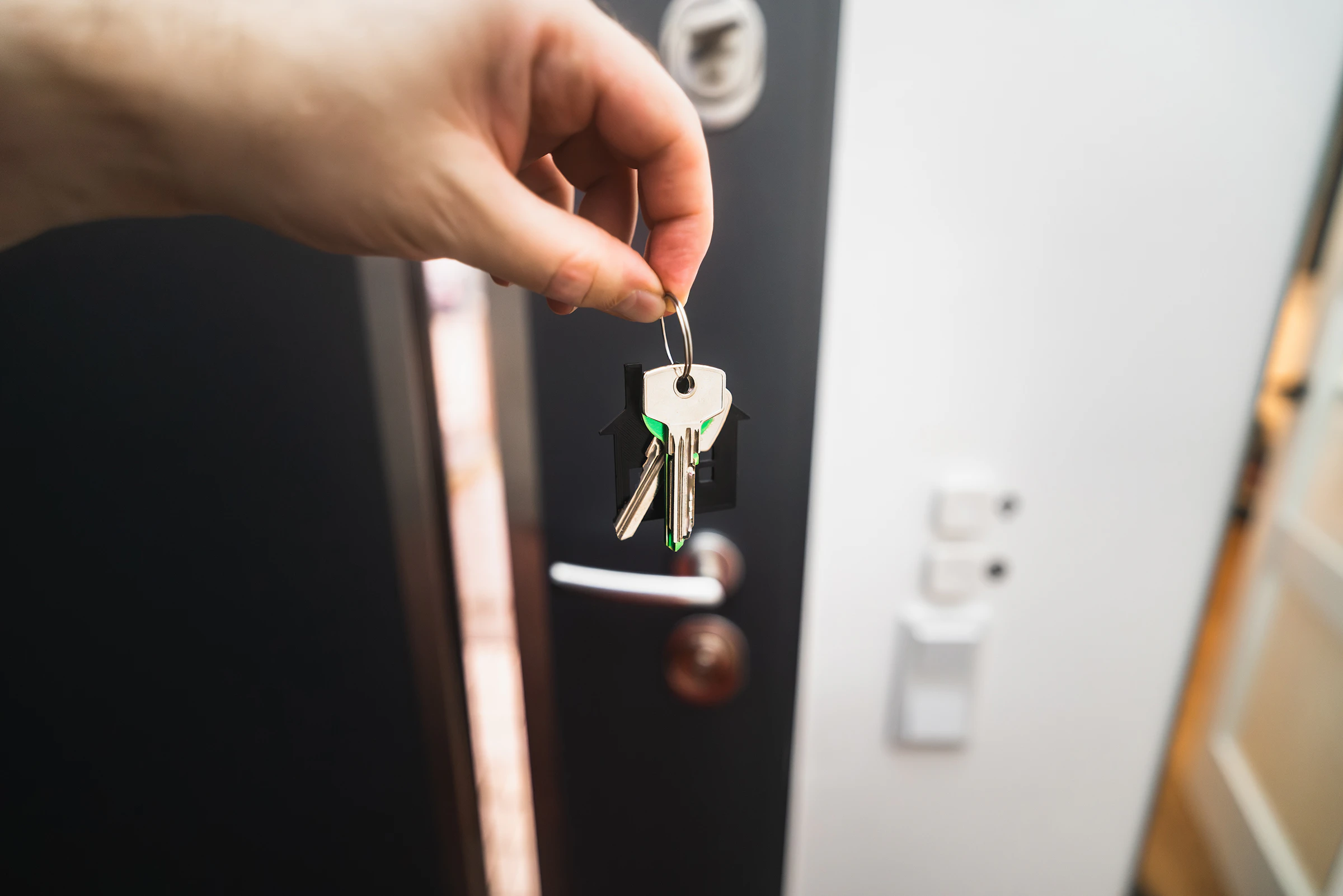
Giving your cleaner a key is safe when the cleaner is insured, DBS-checked and follows a clear key holding procedure: keys stored securely, never labelled with your address, signed for, and returned when the arrangement ends. Alternatives include a key safe, a smart lock with temporary codes, or simply being home for each visit.
Many people who book regular cleaning in Hull and East Yorkshire are at work during the visit, so key holding comes up a lot. Here’s how it works, what to ask and how to keep your home secure.
Key takeaways
- Only hand a key to a cleaner who is insured, DBS-checked and accountable.
- Keys should be coded, never labelled with your name or address.
- Check your home insurance policy wording before using a key safe or sharing keys.
- Give your cleaner a separate alarm code if your system allows it.
- Get every key back, confirmed in writing, when the arrangement ends.
Is it safe to give your cleaner a key?
It can be, provided you’ve done the groundwork. The bigger risk is rarely the cleaner themselves; it’s a key that’s lost, copied or traceable back to your house. Choosing carefully and agreeing a clear process removes most of that risk.
Before handing anything over, make sure you’re comfortable with the checks covered in our guide to choosing a cleaner you can trust: insurance, a DBS check and genuine reviews. Key holding is available with our regular house cleaning, and our cleaners are DBS-checked and vetted before they work in anyone’s home.
What is key holding and how does it work?
Key holding means a cleaning company or cleaner keeps a key to your property so they can let themselves in for scheduled visits. A well-run arrangement should include:
- Coded keys – tagged with a reference, not your name, address or postcode.
- Secure storage – locked away when not in use, not left in a car or van overnight.
- A record of who holds it – so you know which cleaner has access at any time.
- Signed handover and return – a simple note of when the key was given and when it came back.
- A plan if it’s lost – including whether their insurance covers changing locks.
Ask how each of these is handled. The questions in our guide to choosing a cleaner you can trust include key holding alongside the other essentials.
Key safe, smart lock or handing over a key?
Handing over a key
Simple and familiar. It works best with a company that has a proper key holding procedure, or with an independent cleaner you’ve known and trusted for some time.
Key safe
A wall-mounted key safe with a code lets the cleaner collect the key at each visit, so no key leaves your property. Choose a sturdy model with a recognised security rating, fit it somewhere discreet and change the code if anyone who knows it stops working for you. Some home insurance policies have conditions about key safes, so check yours first.
Smart locks and video doorbells
Smart locks can issue a code or app access that works only on cleaning day and can be cancelled straight away. Video doorbells give you a record of arrivals and departures. Both are useful, but make sure your cleaner knows how they work before the first visit.
Being home
No key needed, but it ties you to the cleaning slot. Some people are in for the first visit or two, then switch to key holding once they’re comfortable.
Tip: Never hide a spare key under a mat, plant pot or fake stone for your cleaner. They’re the first places anyone looks.
Alarm codes and home security
- Set up a separate user code for your cleaner if your alarm allows it, so you can delete it later without changing your own.
- Don’t send an alarm code in the same message as your address; pass it on in person or by phone.
- Show your cleaner how to set the alarm and what to do if it goes off.
- Agree how the house should be left: windows shut, back door locked, lights off.
- Mention any pets that mustn’t get out. Our guide to cleaning a home with pets covers other things worth telling your cleaner.
Does giving a cleaner a key affect your home insurance?
Check your policy wording. Some home insurance policies have conditions about who holds keys, key safes or how the property must be secured, and a theft claim where there’s no sign of forced entry may be treated differently. If you’re unsure, ask your insurer before handing over a key.
It’s also worth asking whether your cleaner’s own insurance covers the loss of keys. If a key goes missing, changing the locks is often the safest option, and you’ll want to know in advance who pays for it.
Key holding for holiday lets, landlords and businesses
Key holding isn’t only for homes. Holiday let owners on the coast at Bridlington and Hornsea often rely on cleaners holding keys for changeovers when they live elsewhere. Our holiday let and Airbnb cleaning can include key holding, and our holiday let changeover checklist shows what happens at each turnaround.
Landlords use key holding to give access for cleans between tenancies, and businesses rely on it for out-of-hours office cleaning before staff arrive in the morning.
Ending the arrangement and getting your key back
When you stop using a cleaner, ask for every key back and get a short note confirming it. If any key can’t be accounted for, or you have doubts, change the lock. Delete any alarm user code and change key safe codes at the same time.
With an independent cleaner this is a direct conversation; with a company, the office should arrange the return. Our comparison of a cleaning company vs a self-employed cleaner covers other differences worth knowing.
Key holding with our cleaning team
Our cleaners are insured, DBS-checked and vetted, and key holding is available for regular cleaning customers in Hull and across East Yorkshire. We’ll agree how keys are handed over, stored and returned before the first visit, along with a fixed quote for the cleaning itself.
If you have questions about key holding or want to arrange regular cleans while you’re out, contact our team. We’re open 7 days a week.