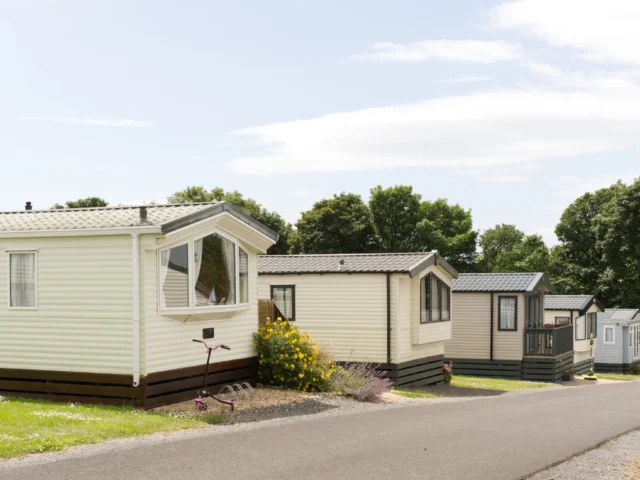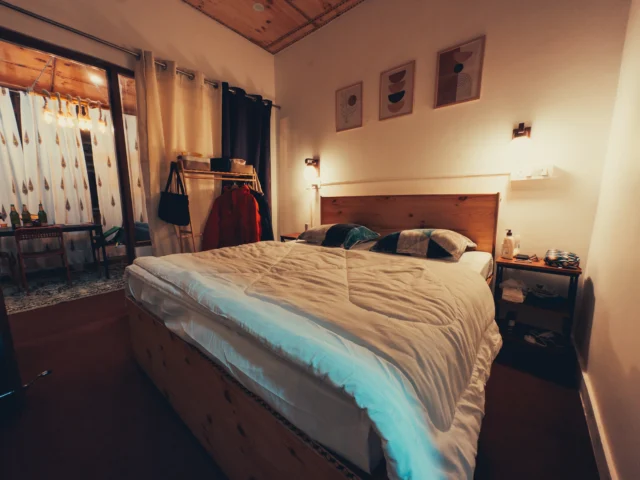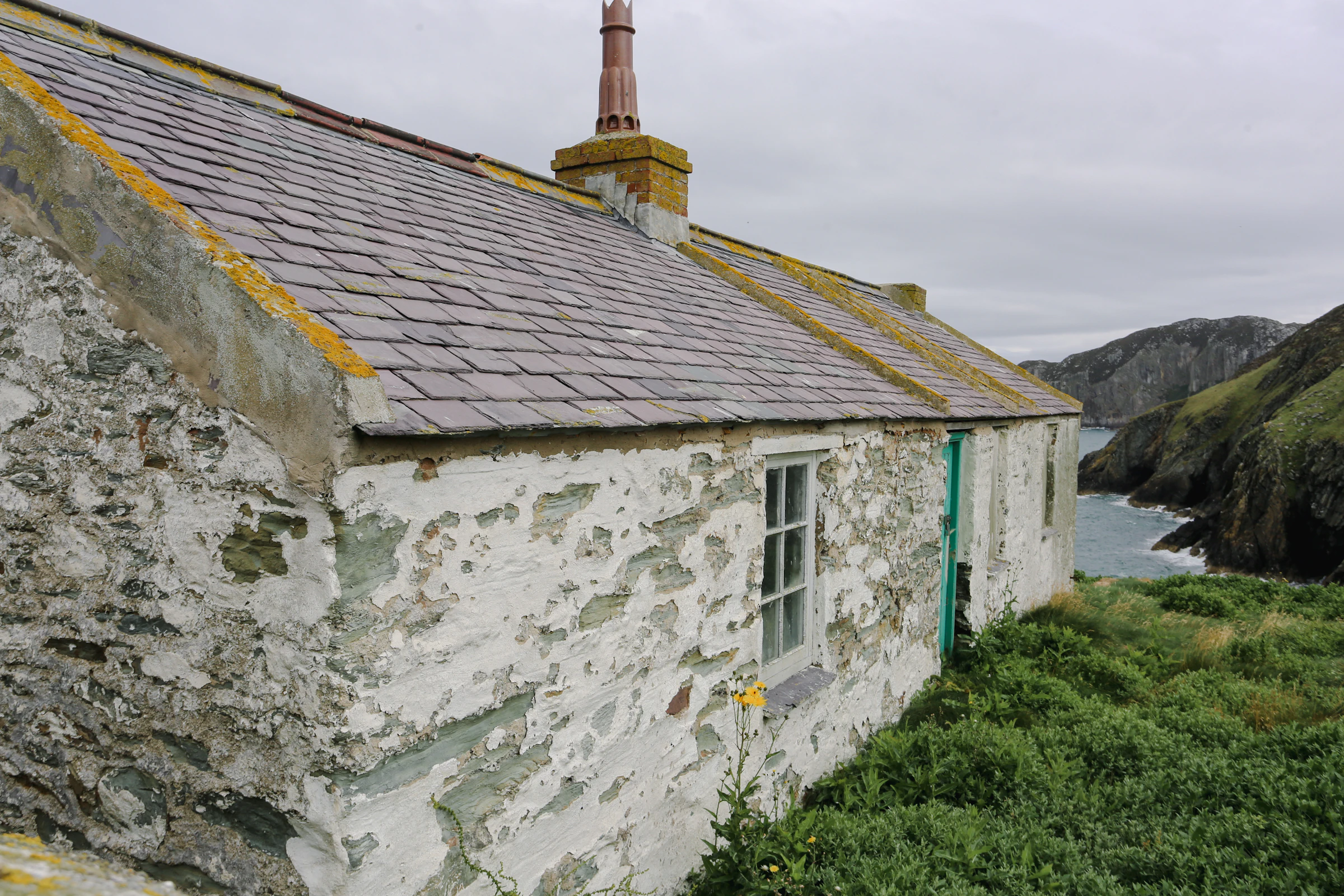
Seaside property cleaning needs more frequent attention to glass, metal and soft furnishings than an inland home. Salt spray leaves a sticky film on windows and fittings, sand gets tracked into every room, and moist sea air feeds condensation and mould. The answer is a routine built around those three problems: rinse salt off regularly, stop sand at the door and keep air moving.
Along the Yorkshire coast, from Bridlington and Hornsea down to Withernsea, this applies to full-time homes and holiday lets alike. Lets that sit empty between bookings or over winter are especially prone to damp.
Key takeaways
- Rinse salt off glass with plain water before wiping, so the crystals don’t scratch the surface.
- Matting inside and outside the door, plus somewhere to brush off sand, protects carpets and drains.
- Ventilation, background heat and dehumidifiers are your main defence against damp and mould.
- Expect to clean windows, metal fittings and carpets more often than you would inland.
Why seaside properties get dirty faster
Living by the sea brings fresh air, but that air carries fine salt particles. They settle on every outdoor surface and find their way indoors through open windows and doors. Salt attracts moisture, so salty surfaces stay damp for longer, which helps grime stick and speeds up corrosion on metal.
Sand is the second problem. It is abrasive, so when it is ground into carpets, wooden floors and shower trays it gradually wears them down. Add the damp, windy weather the coast gets for much of the year, and you have a property that needs a slightly different cleaning approach.
For holiday let owners, these issues land between every booking. That is one reason many coastal owners use a holiday let cleaning service with cleaners who know what salt, sand and damp do to a property.
How to remove salt residue from windows and glass
Salt film turns windows cloudy and can look like a permanent haze. It is easy to remove, but the method matters.
- Rinse first. Wet the glass with plenty of clean water to dissolve the salt. Wiping dry salt drags crystals across the glass and can scratch it.
- Wash. Use warm water with a small squeeze of washing-up liquid and a soft cloth or applicator.
- Squeegee. Work from top to bottom, wiping the blade between strokes.
- Dry and buff. Finish the edges and corners with a dry microfibre cloth.
Don’t forget patio doors, conservatory roofs, balcony glass and window frames, where salt collects in runners and seals. Wipe uPVC frames with the same solution, then rinse.
Hard tap water can leave its own spots. Much of East Yorkshire has hard water, so buffing glass dry or finishing with a little diluted white vinegar prevents mineral marks. Our guide to hard water and limescale explains more.
Protecting metal fittings, door furniture and appliances
Salt speeds up corrosion. Chrome taps, door handles, hinges, letterboxes, outdoor lights and garden furniture can pit or rust much sooner than they would inland.
- Wipe external door furniture and handles with a damp cloth regularly, then dry them.
- Clean stainless steel and chrome indoors with a mild detergent and buff dry; avoid abrasive pads, which scratch protective finishes.
- Treat small rust spots early rather than letting them spread.
- Hose down or wipe garden furniture, barbecues and outdoor tables, and cover or store them over winter.
- Keep an eye on extractor fan grilles and window vents, which collect salty grime.
Leave anything electrical outdoors, such as external lights and sockets, to a qualified electrician if it shows signs of corrosion.
Keeping sand out of the house (and out of carpets)
You won’t stop sand completely, but you can stop most of it at the door.
- Use two mats. A coarse mat outside scrapes sand off shoes, and an absorbent mat inside catches the rest.
- Create a drop zone. Hooks, a shoe rack and a basket by the door give beach bags, buckets and wetsuits somewhere to go.
- Brush off outside. A stiff brush or an outdoor tap lets guests get rid of sand before coming in.
- Hoover often. Sand sinks deep into carpet pile, so hoover slowly in both directions with a good beater bar.
- Protect drains. Fit hair and sand catchers in showers and baths, and rinse them at every clean.
- Shake out mats and rugs outdoors rather than hoovering heavy sand into the machine.
Even with good habits, sand works its way into carpet fibres and wears them. A professional carpet and upholstery clean using hot water extraction lifts deep grit that hoovering can’t reach, and our guide comparing carpet cleaning methods explains why extraction suits heavily used carpets.
How to stop damp and mould in a coastal property
Damp air, cold walls and properties left empty between stays are a recipe for condensation. Left alone, it leads to black mould on window frames, behind furniture and on bathroom sealant.
- Ventilate daily when occupied. Open trickle vents, use extractor fans when showering and cooking, and open windows when the weather allows.
- Keep some heat on. A low, steady background heat in winter helps stop walls getting cold enough for condensation to form.
- Use dehumidifiers. In empty lets, a dehumidifier that drains continuously, or one emptied at every visit, makes a real difference.
- Wipe condensation. Dry windows and sills each morning, or at every changeover.
- Give furniture space. Leave a gap between wardrobes, sofas and beds and outside walls so air can circulate.
- Dry towels and swimwear properly, ideally outside or in a tumble dryer rather than on bedroom radiators.
For treating mould once it appears, and spotting when it is a building problem rather than a cleaning one, read our guide to condensation, damp and black mould. Mould spores can also aggravate asthma, which is another reason to deal with it quickly.
Tip: Keep a simple hygrometer in your let. It shows the humidity at a glance and tells you whether your ventilation and dehumidifier routine is working.
A cleaning routine for coastal holiday lets
Build the seaside extras into your normal routine so they don’t get forgotten.
Every changeover
- Hoover thoroughly, paying attention to entrances, stairs and under beds.
- Rinse sand catchers and check shower trays and plugholes for grit.
- Wipe condensation and check window sills and sealant for mould.
- Shake out door mats and sweep the doorstep and patio.
Monthly
- Clean windows inside, and outside where they can be reached safely.
- Wipe external door furniture, frames and window runners.
- Check behind furniture and inside wardrobes for damp patches or musty smells.
Between seasons
- Deep clean throughout, including carpets, upholstery and mattresses.
- Wash curtains and soft furnishings that have absorbed salt and damp.
- Clean the filters on dehumidifiers and extractor fans.
Our holiday let changeover checklist covers the core room-by-room tasks, and owners of caravans on the coast will find specific advice in our static caravan cleaning guide.
When to call in professional help
Some jobs are better handed over. A deep clean makes sense at the start and end of the season, after a run of heavy bookings, or when a property has been closed up and smells musty. Professional carpet cleaning helps when sand and salt have dulled carpets, and ongoing changeovers are easier with a team that works seven days a week around your bookings.
Coastal property cleaning across East Yorkshire
Our team cleans holiday lets, second homes and full-time homes along the coast, and knows the extra attention salt, sand and damp demand. Through our holiday let and Airbnb cleaning service we can take on changeovers, end-of-season cleans and regular upkeep. Our cleaners are DBS-checked and insured, bring their own equipment and products (with eco-friendly options available), and key holding is available if you live away from the coast.
To arrange a fixed quote, get in touch with our team.